St. Croix
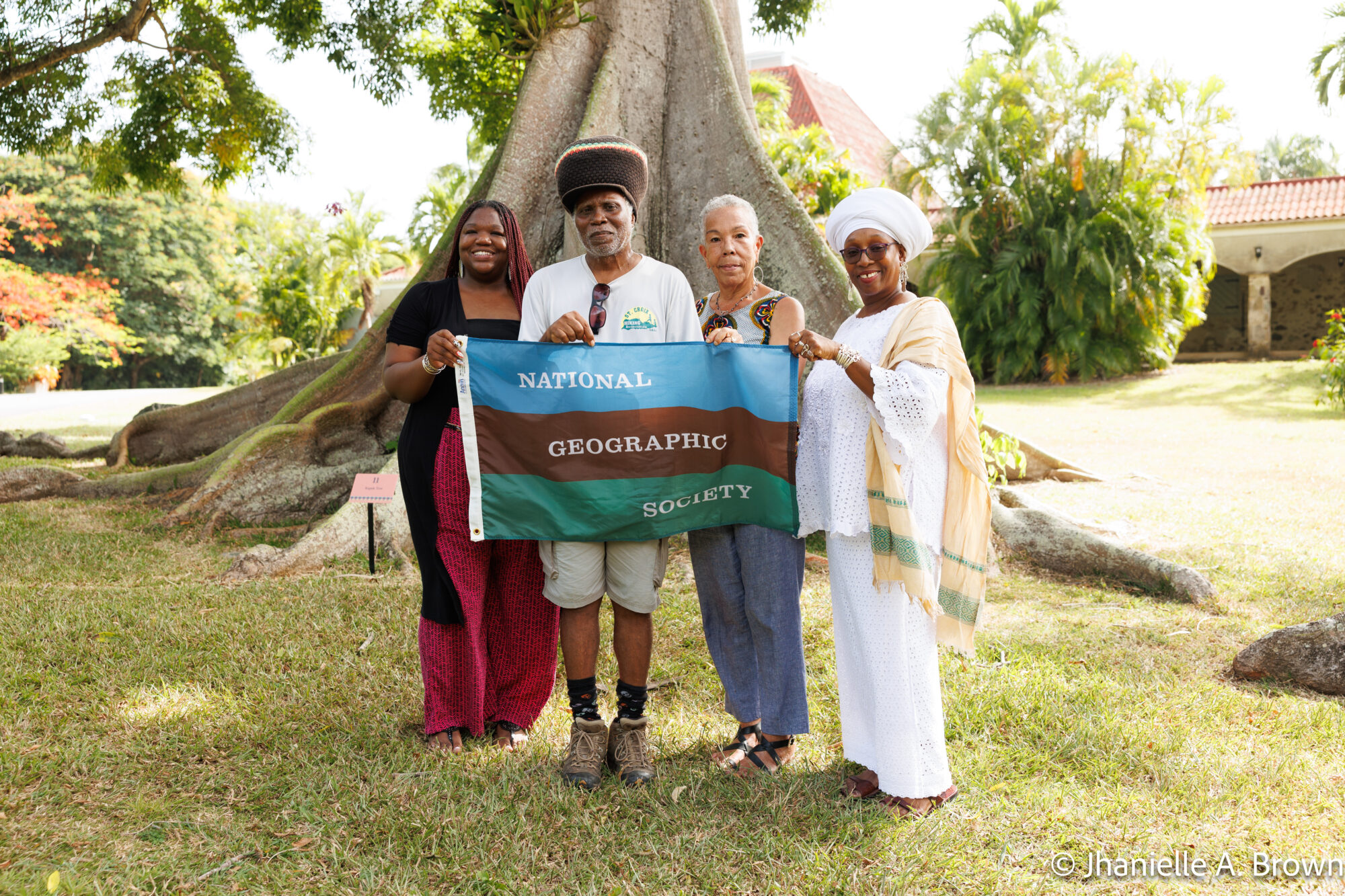
St. Croix is a Caribbean island where the fight for Black freedom has long been etched into the soil. Under Danish colonial rule, enslaved Africans toiled in brutal conditions on sugar plantations, but they also organized rebellions, preserved their cultures, and claimed humanity in the face of oppression. The Fireburn labor revolt of 1878—led by Black women like Queen Mary Thomas—stands as one of the most significant uprisings in the post-emancipation Caribbean. In its aftermath, St. Croix emerged as a symbol of resistance and collective power. Today, the island’s landscape speaks of both pain and pride—its trees and heritage sites standing as witnesses to a people who refused to be broken and who continue to shape their own destiny.
Listening Session Recap
Our St. Croix Team

Frandelle Gerard
- St. Croix Team Lead
- 8th Generation Crucian
- Founder/Executive Director CHANT – Crucian Heritage and Nature Tourism
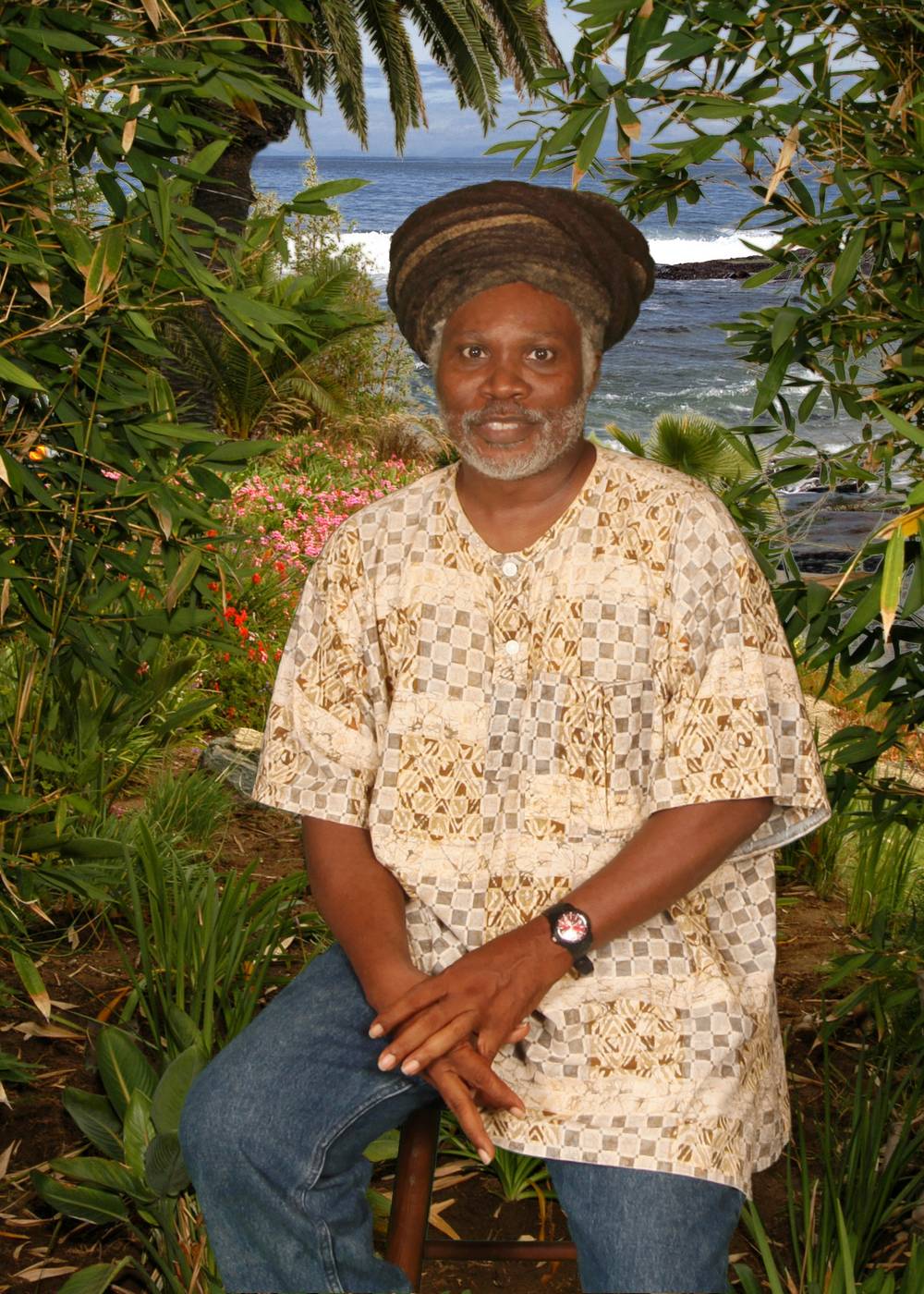
Olasee Davis
- Extension Professor and Specialist in Natural and Cultural Resources at the University of the Virgin Islands – St. Croix
- Renowned VI ecologist and historian
- Author of over 300 articles on VI History
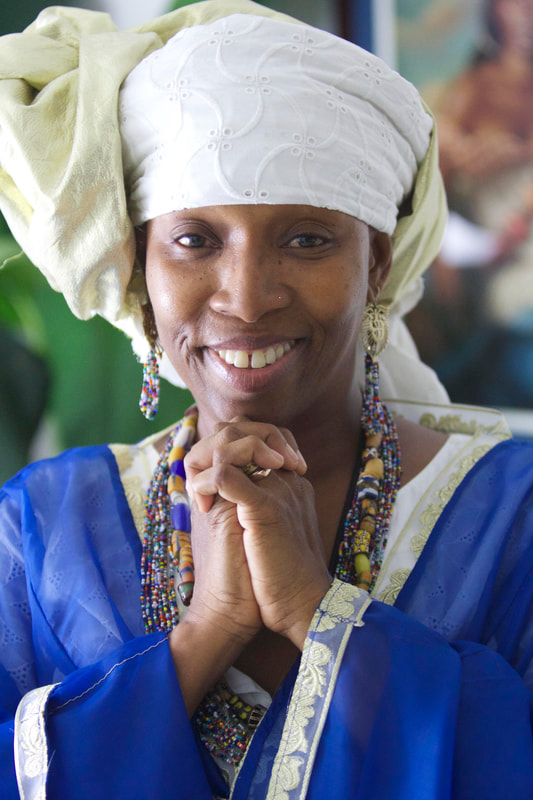
Dr. Chenzira Davis-Kahina
- VI Culture bearer and historian
- Professor of Communications at the University of the Virgin Islands – St. Croix
- Director of AST Speaks and the Virgin Islands Caribbean Cultural Center (VICCC)
- Community historian/steward ascendant
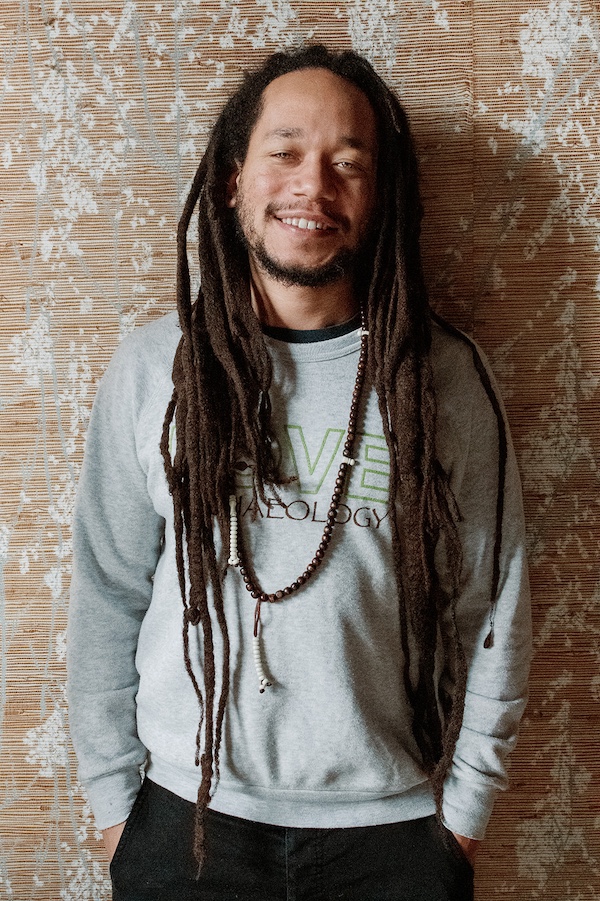
Justin Dunnavant
- Global Canopy Research Consultant
- Assistant Professor of Anthropology at the University of California – Los Angeles
- Co-founder of the Society of Black Archaeologists
- National Geographic Explorer
Featured Tree Stories
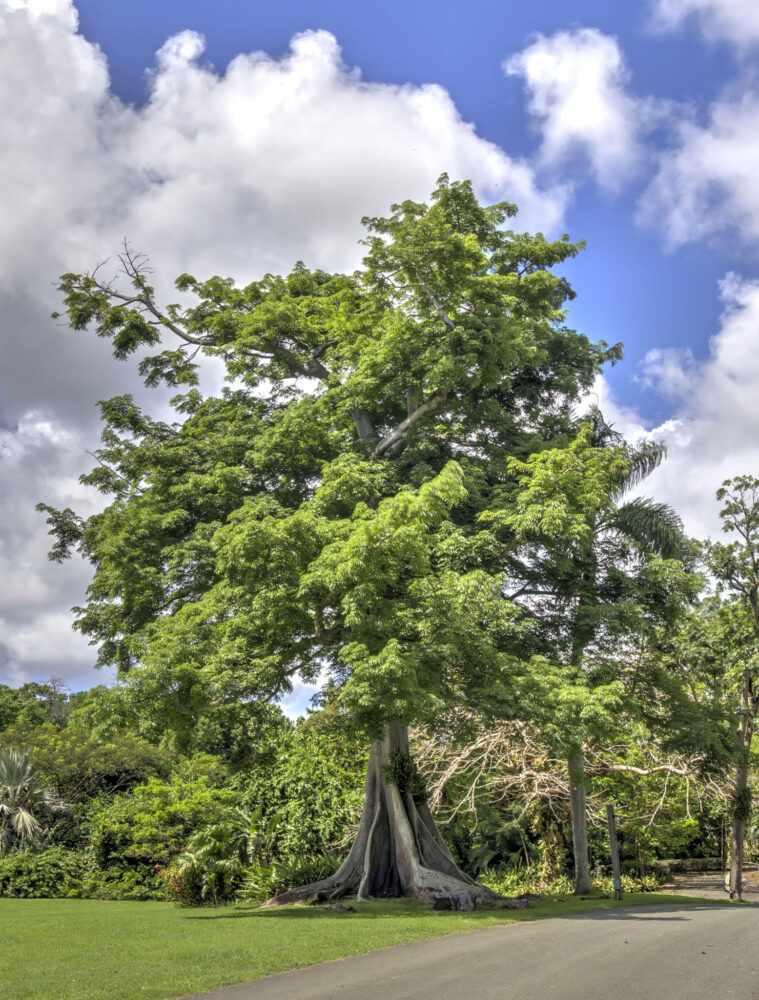
Estate Mount Victory Kapok Tree
The Kapok Tree at Estate Mount Victory served as a historic herbal shrine and was tended by local medicine man John Dubois during the 1940s and 1950s. He was said to dispense herbs and performed cures at the base of the tree. After Dubois’ time, the shrine fell into disrepair…

Grove Place Baobab Tree
The Grove Place Baobab on the island of St. Croix in the U.S. Virgin Islands. This is no ordinary tree—it’s a living monument that has witnessed nearly three centuries of Virgin Islands history. Planted around 1750 this majestic baobab has stood through slavery in the Danish West Indies, the 1848…
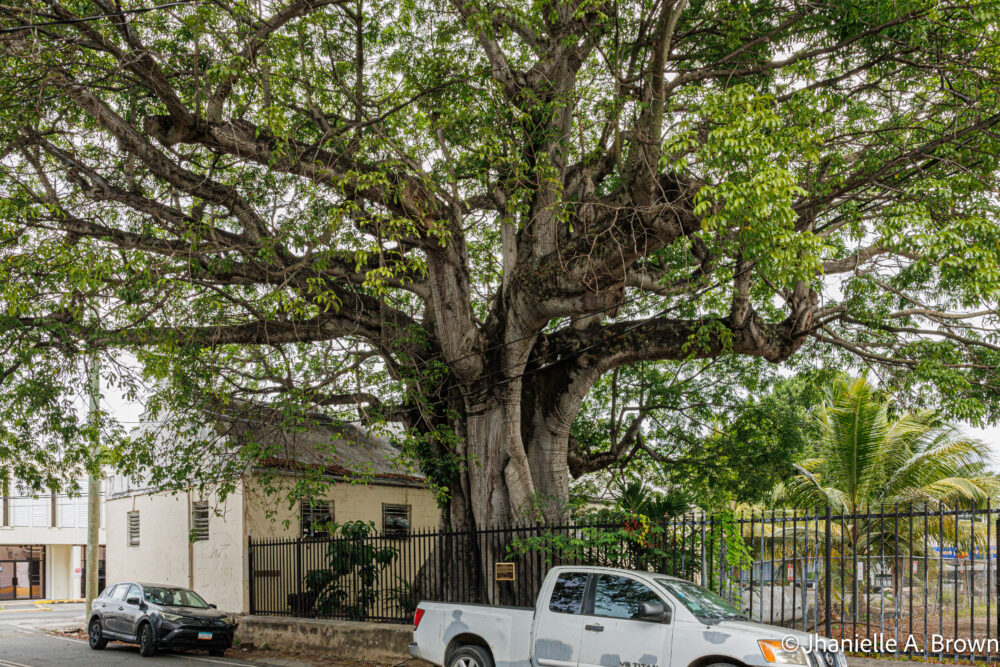
Kapok Trees in Frederiksted
The Kapok or Silk Cotton Tree has a long history across the Global African Diaspora, known for its buttressed wall-like roots, lightweight wood, fluffy pods, and fibrous healing leaves, standing as a living symbol of Black ancestral knowledge and spiritual connection. Kapok Trees are commonly called Jumbie Trees in St….
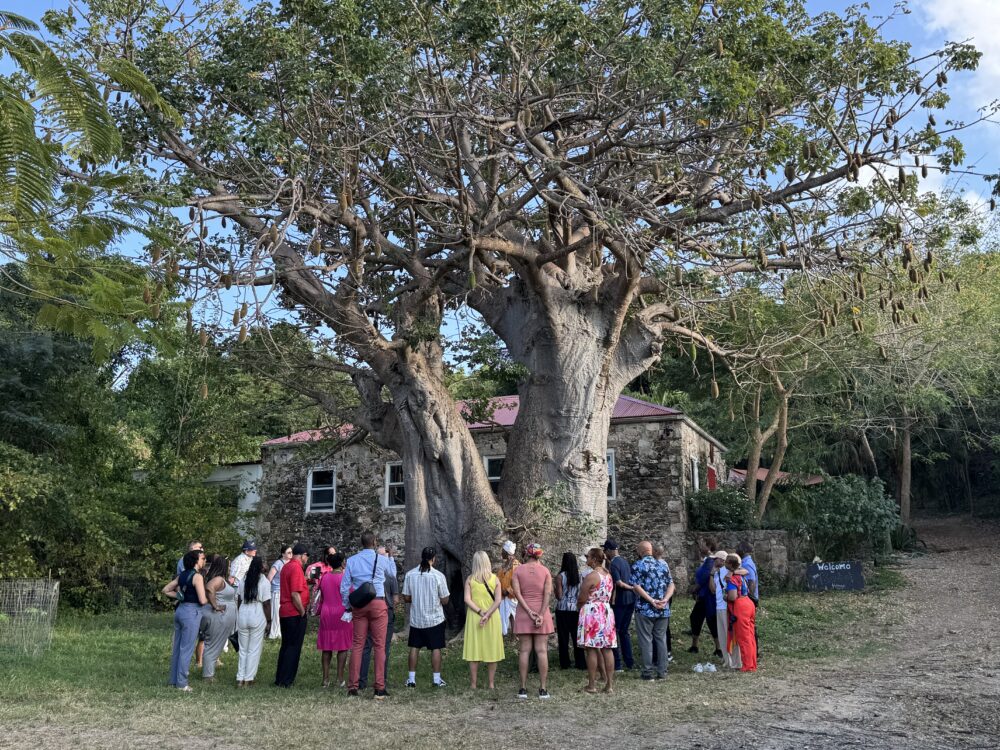
Moses Roberts & George William Baobab
This tree, the baobab tree, originates from Africa. It symbolizes community and the African roots of the Virgin Islands. This centuries-old baobab tree stands in front of a building where secret meetings were organized by leaders of the 1848 emancipation like Moses Robert, George William, Morse Henry, John “Buddhoe” Gotlieff…
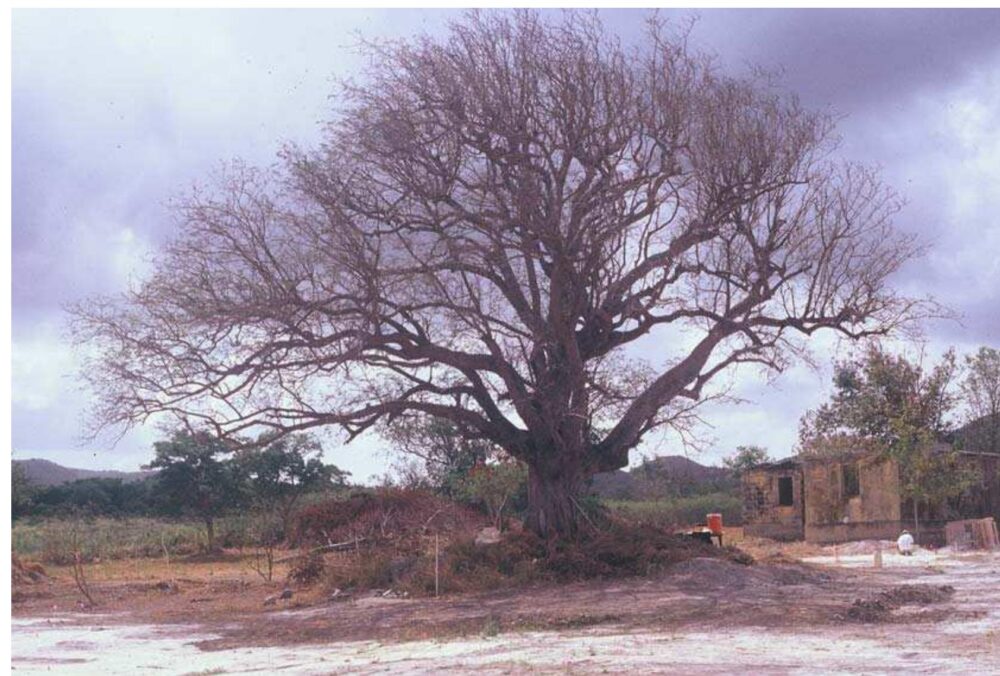
The Estate Bethlehem Tamarind Tree
The Bethlehem Tamarind tree is believed to date back to the era slavery and marks a historic cemetery that marks the burial plots of those once enslaved on the plantation. Preliminary survey of the Tamarind Tree conducted in 1997 revealed several potential archaeological features, prompting archaeologists to revisit the site….
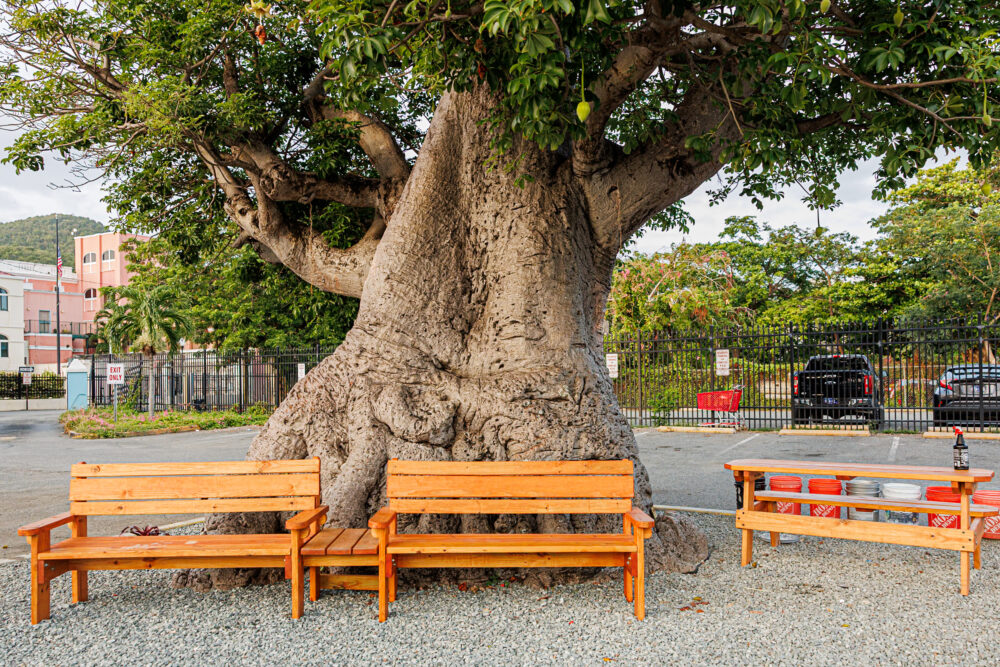
The Market Street Baobab
On Market Street in Christiansted, there stands a baobab whose roots reach deeper than the soil beneath it. Its trunk is thick with memory — a living archive of everything this narrow stretch of street has held. Long before the island knew freedom, this was one of the places where…
Photo Gallery